Because of you…
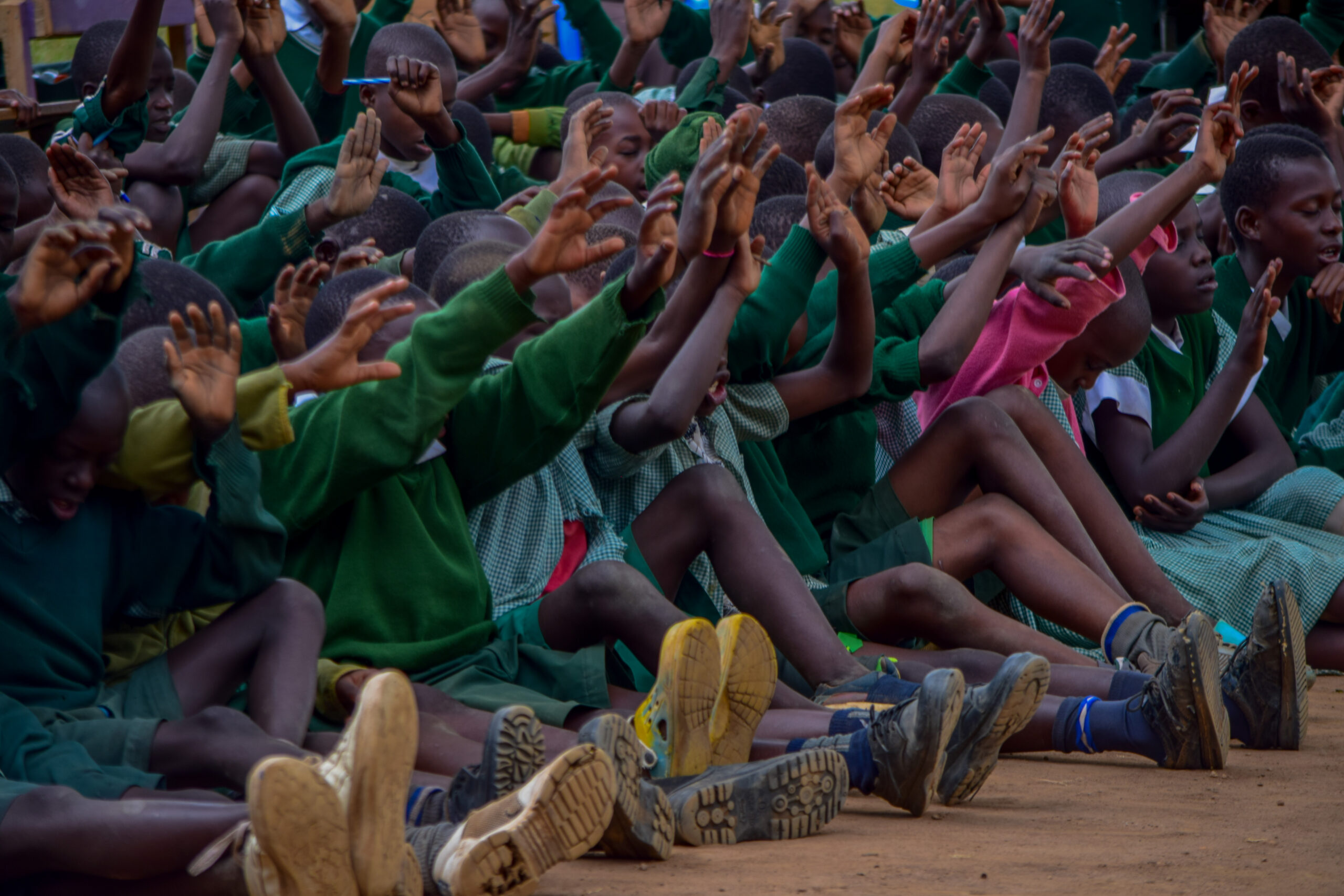
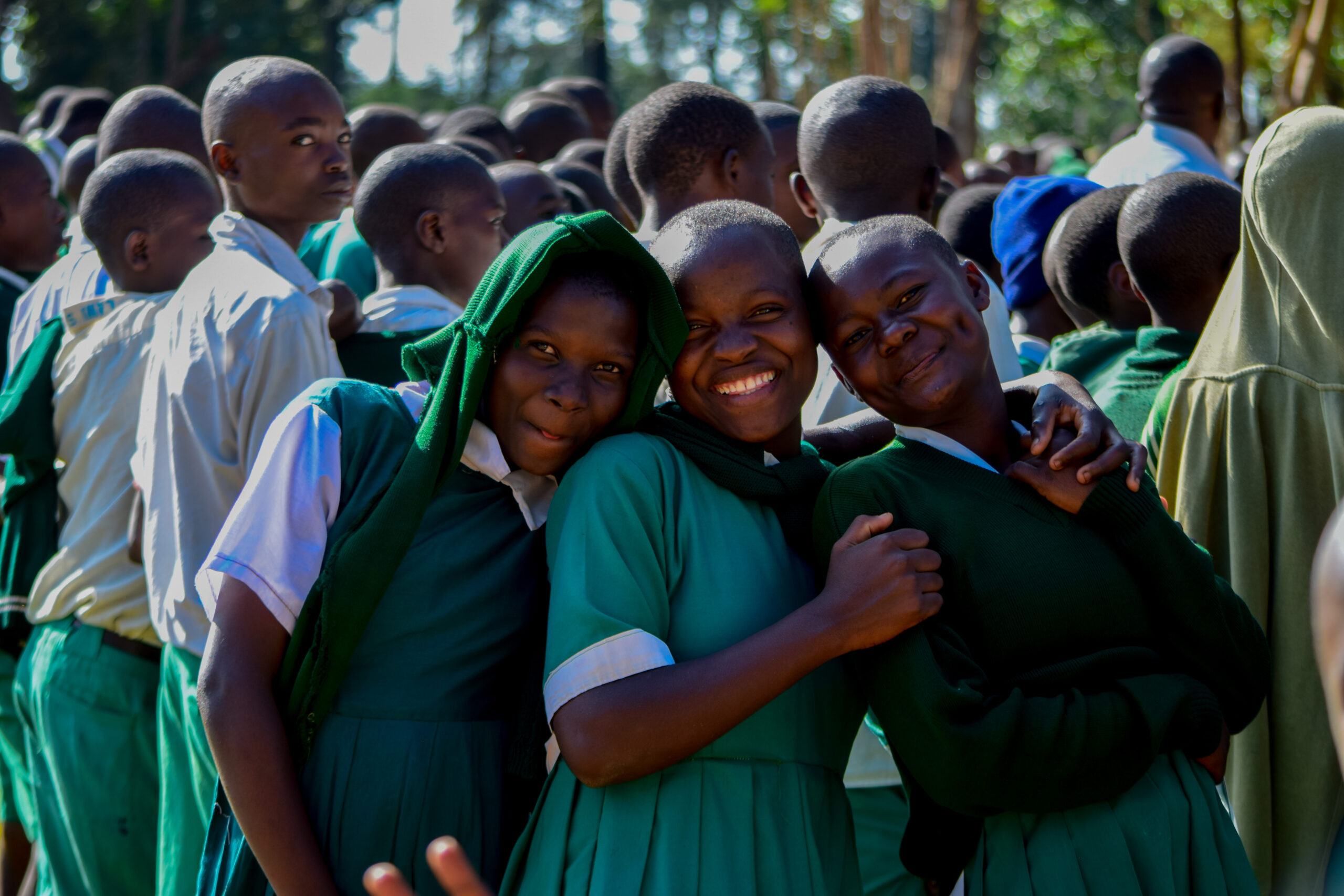
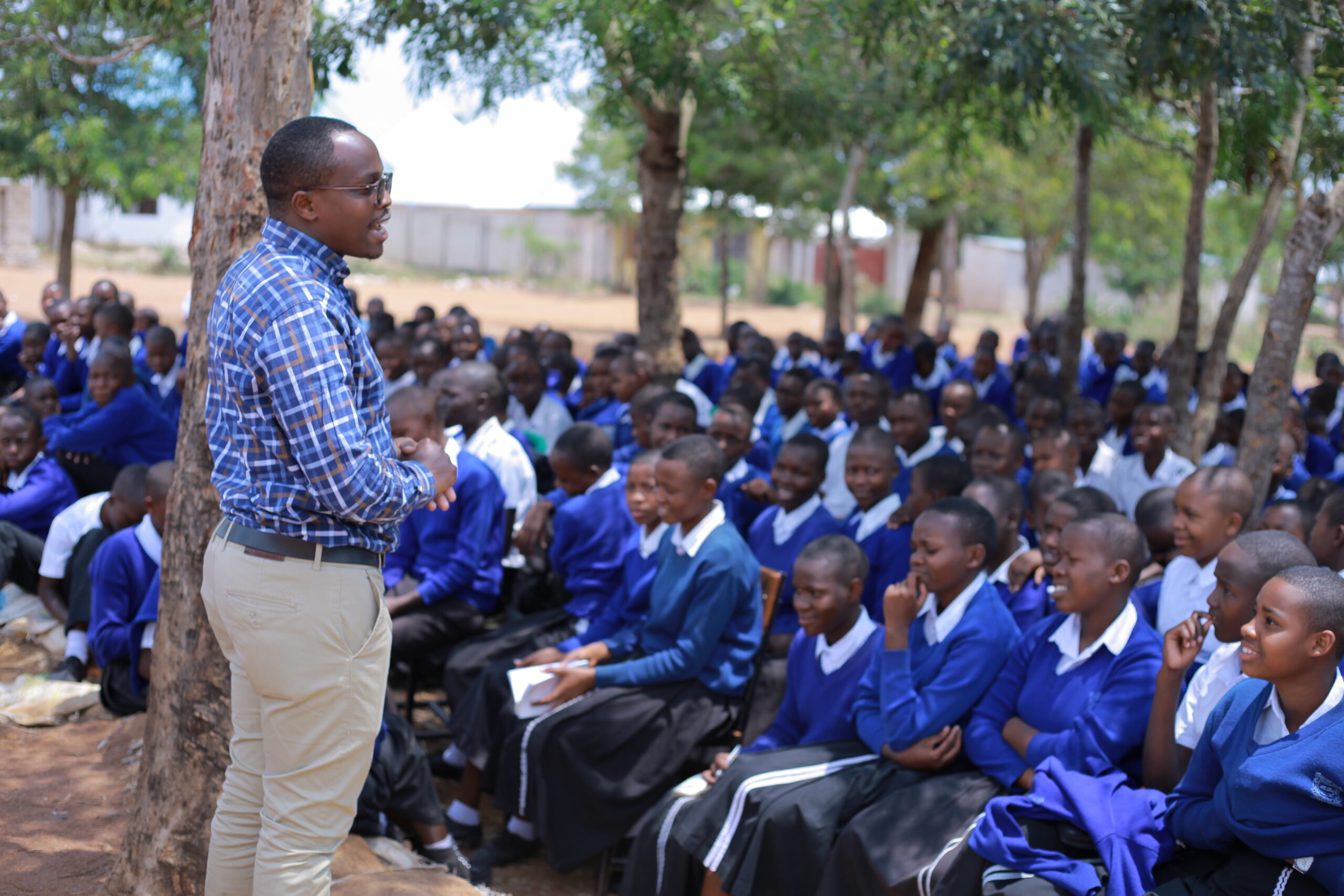
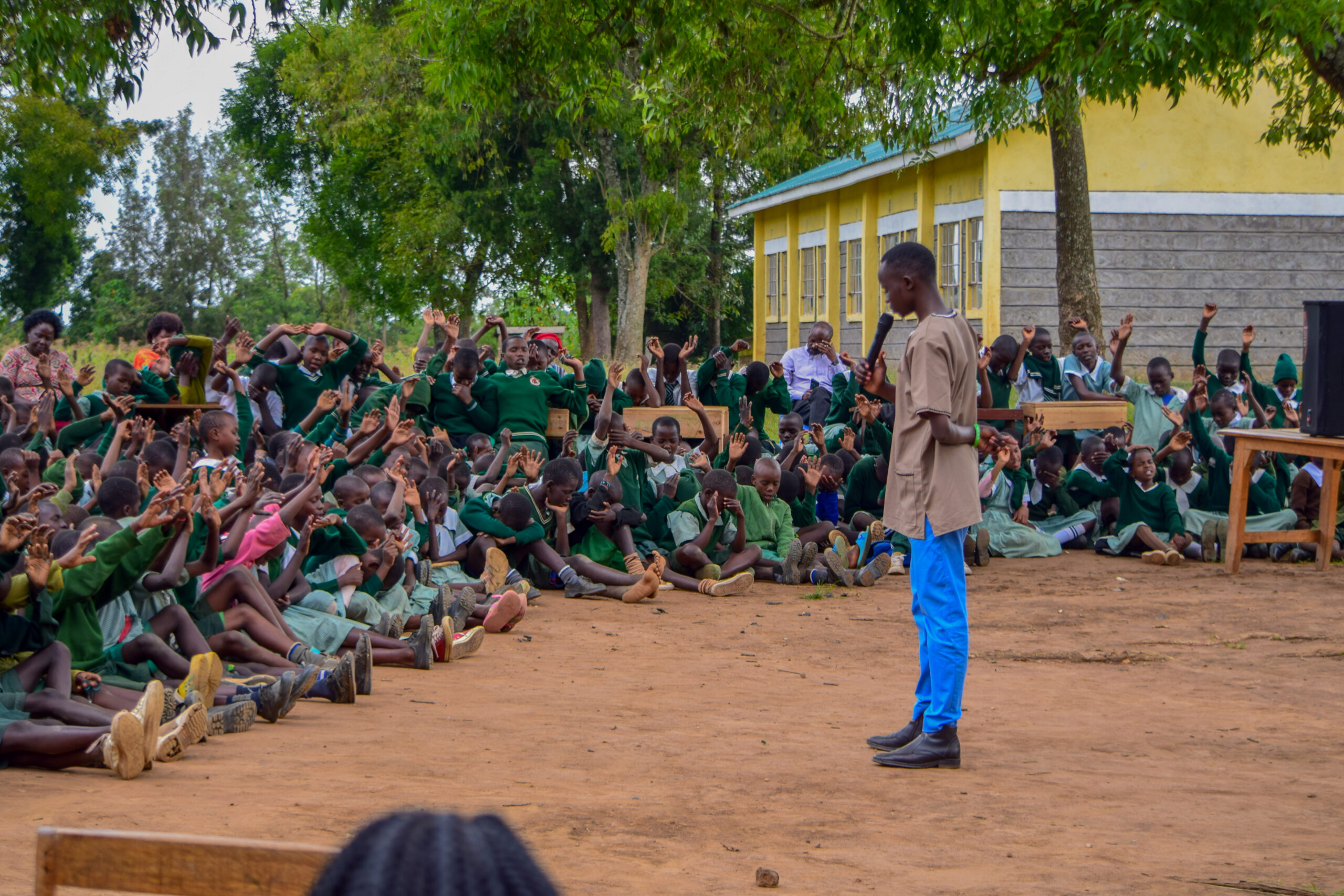
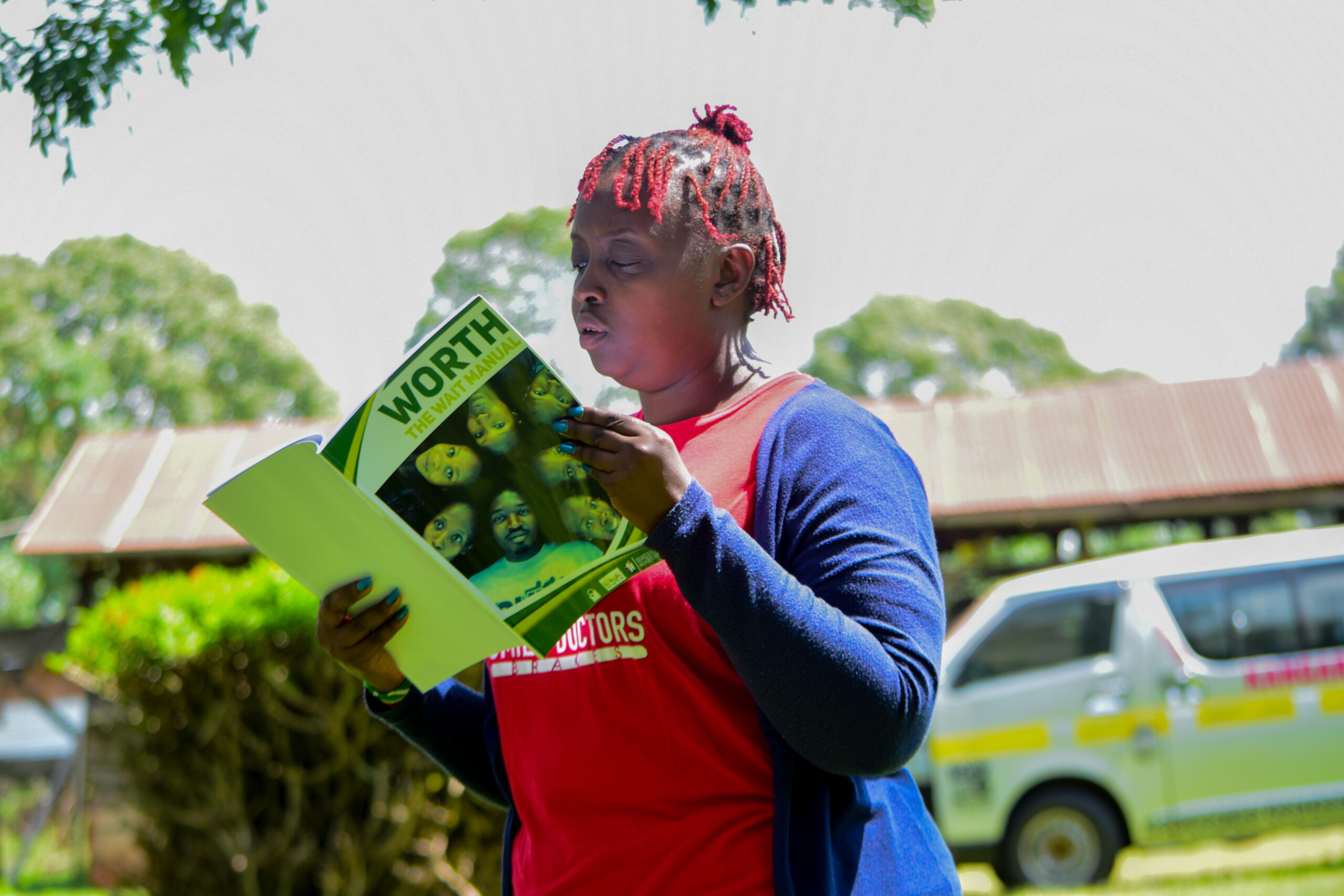
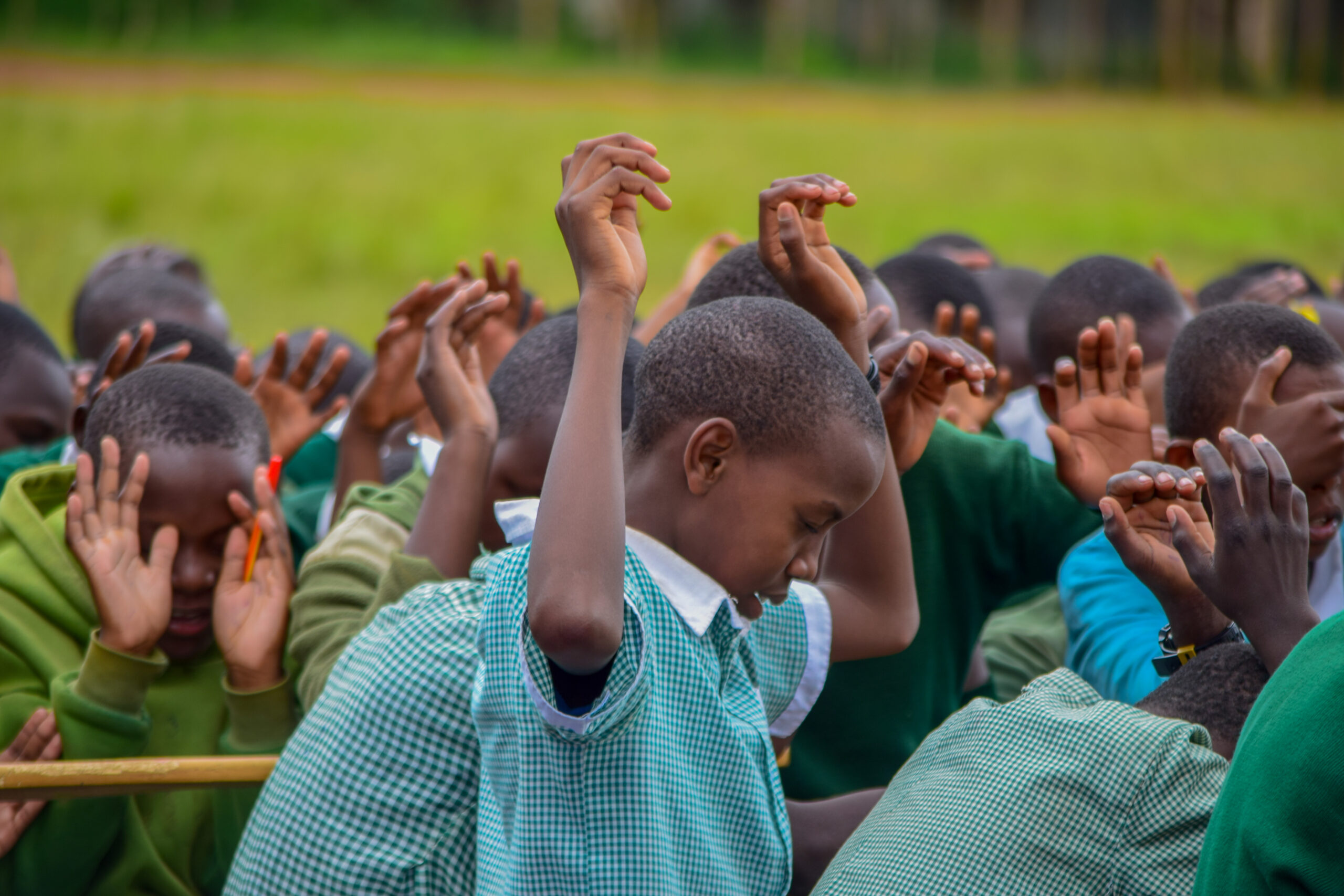
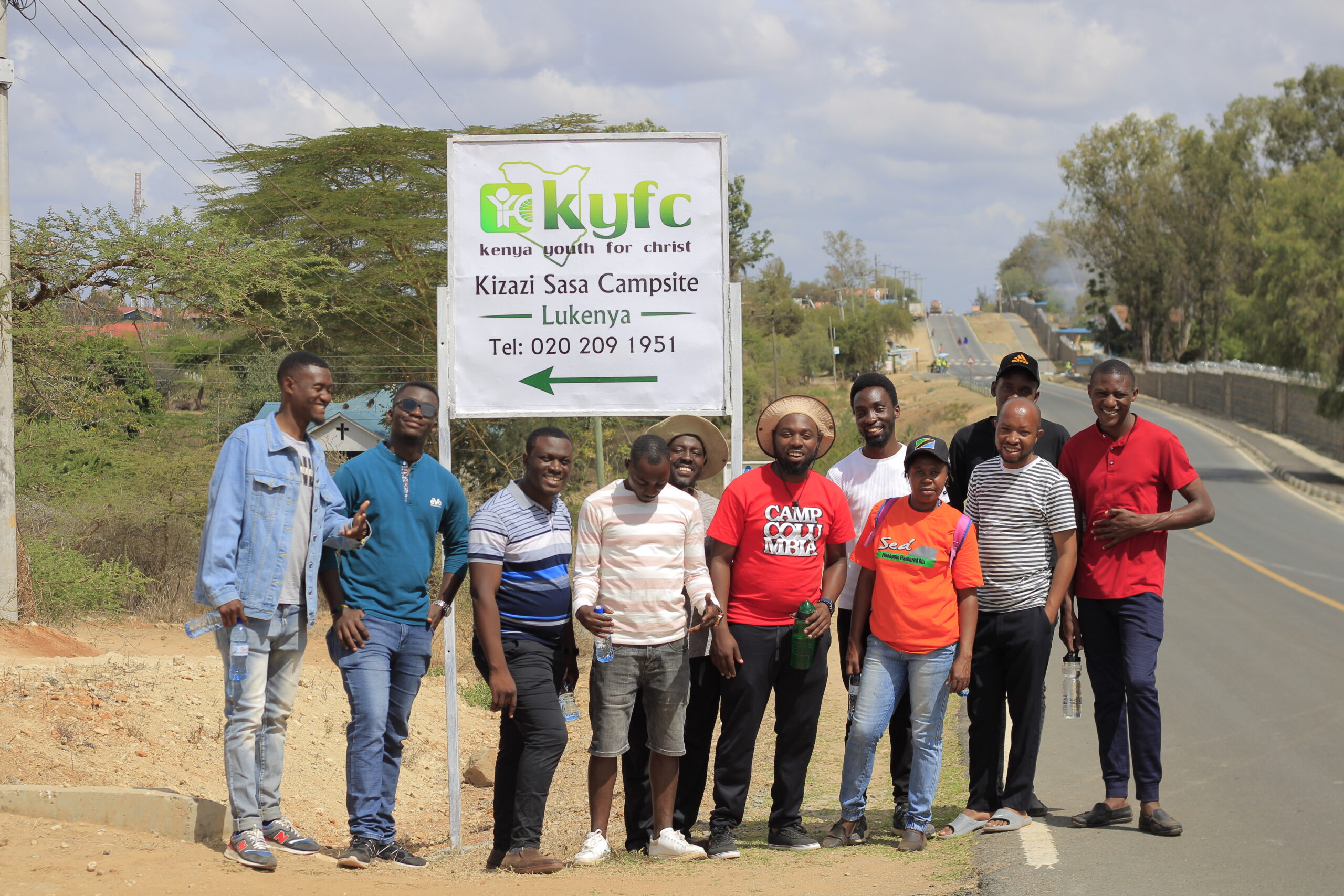
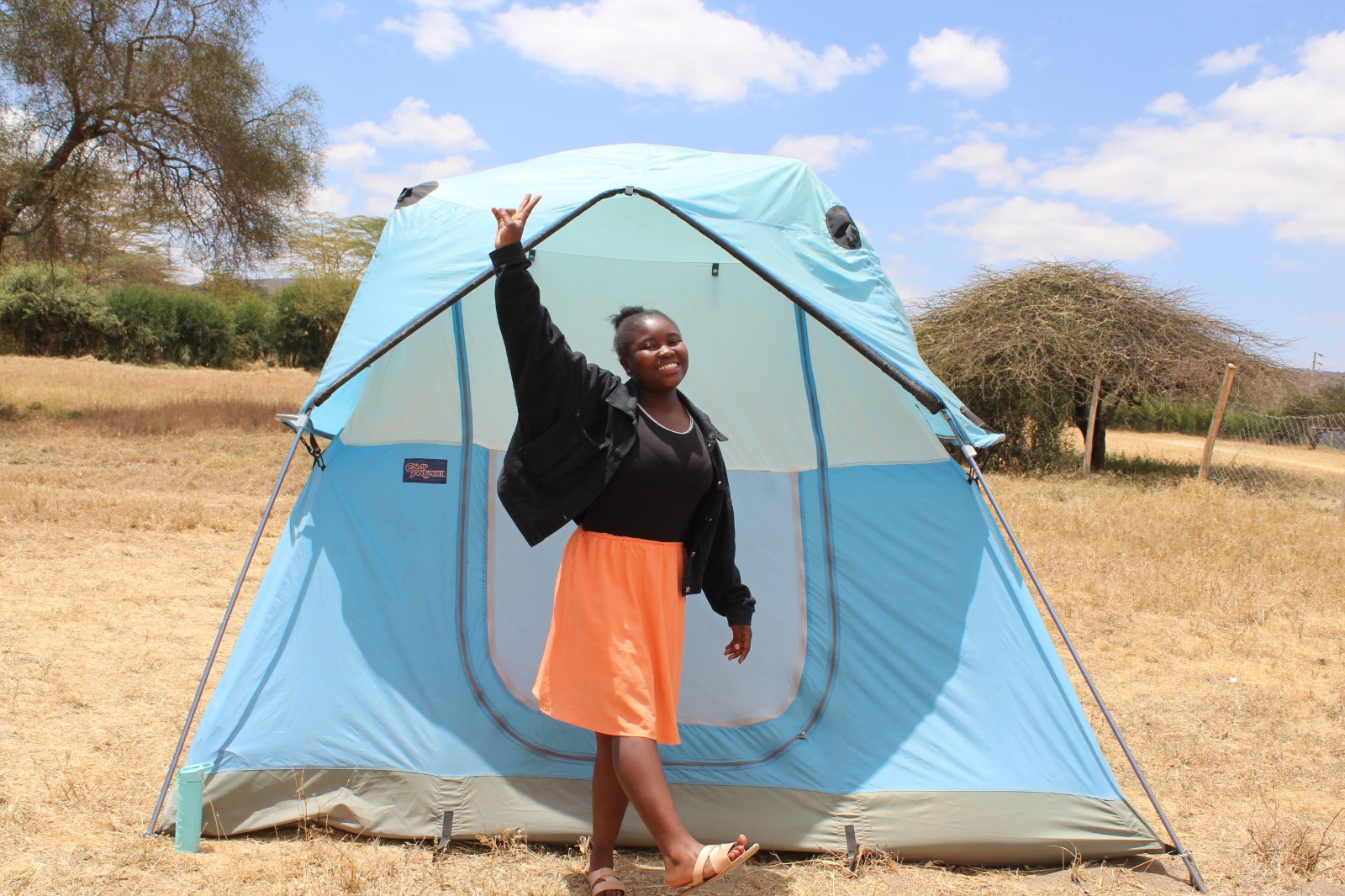
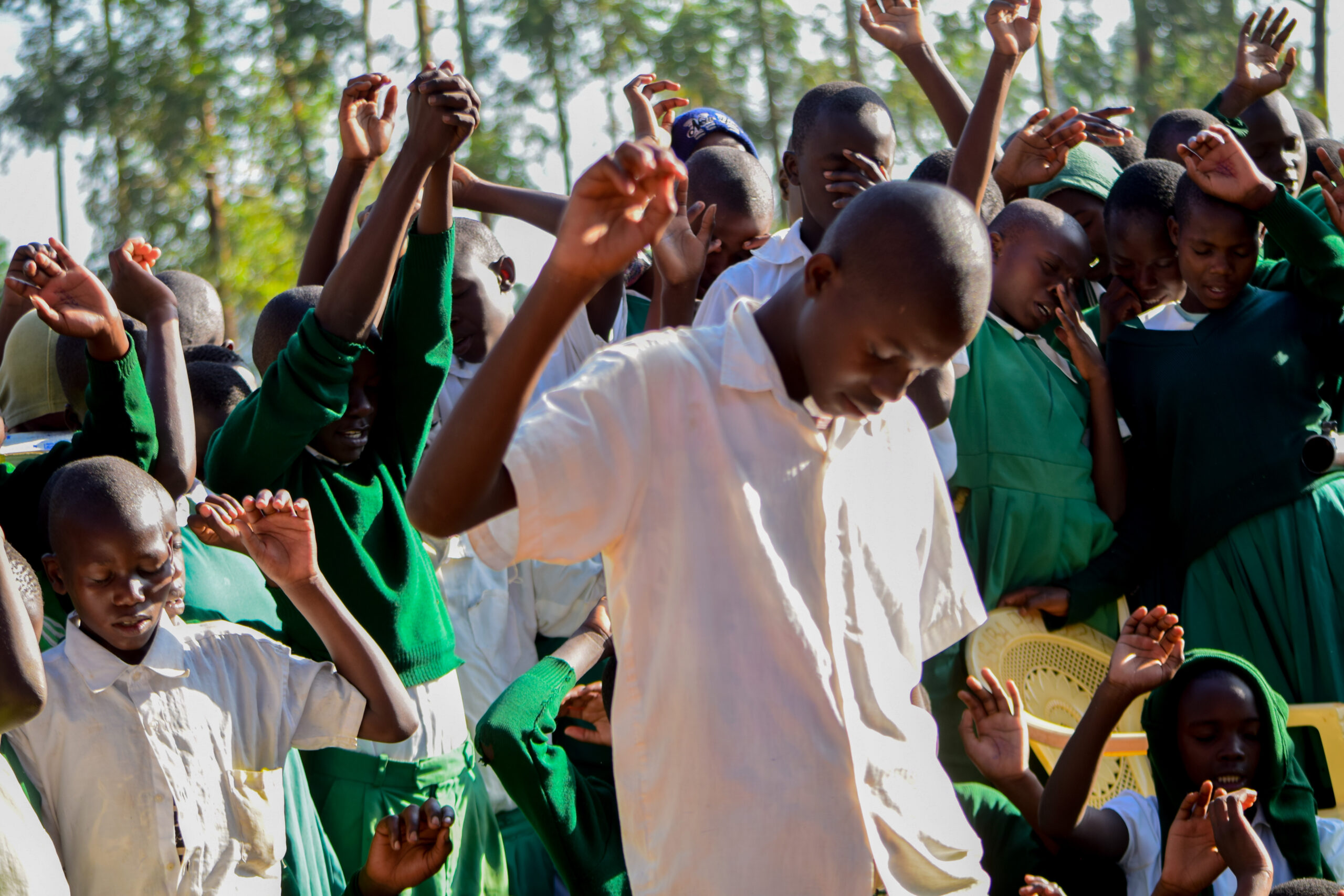
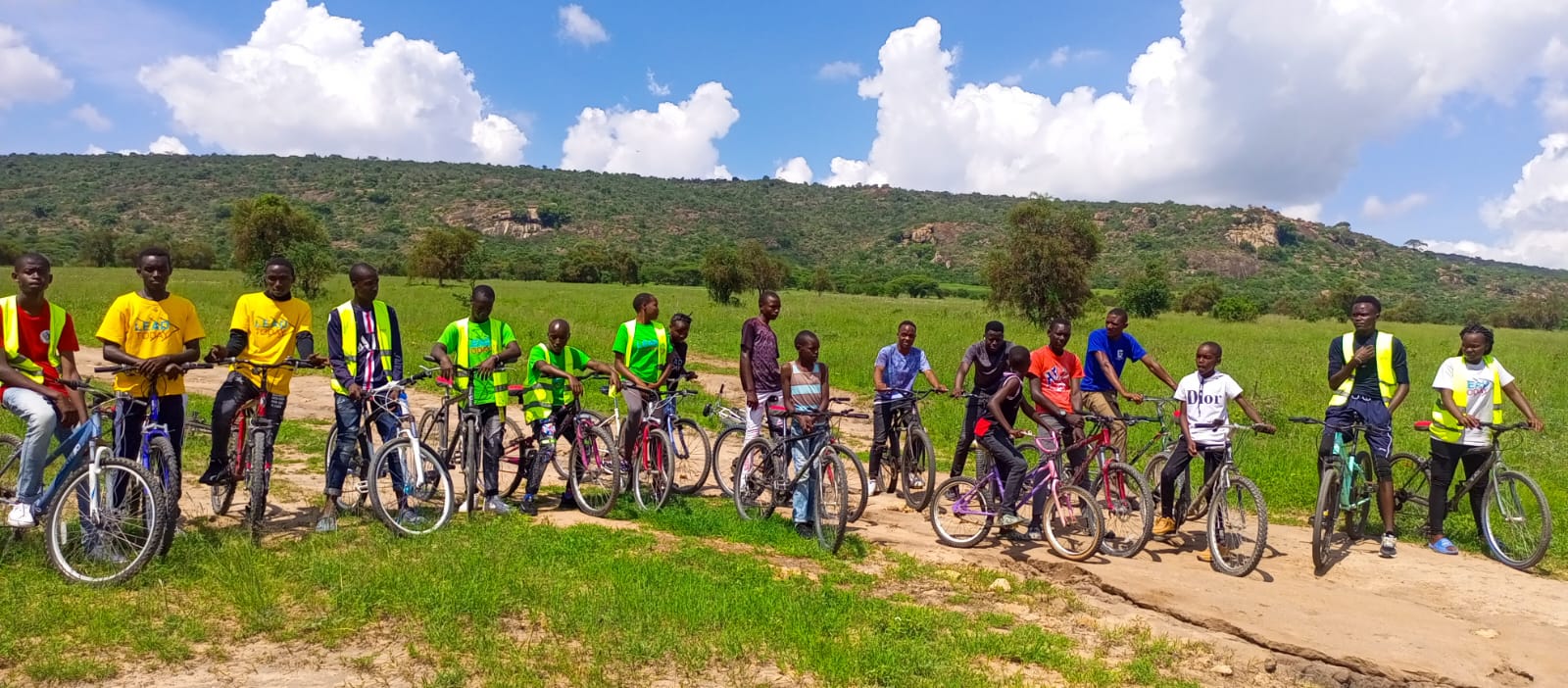
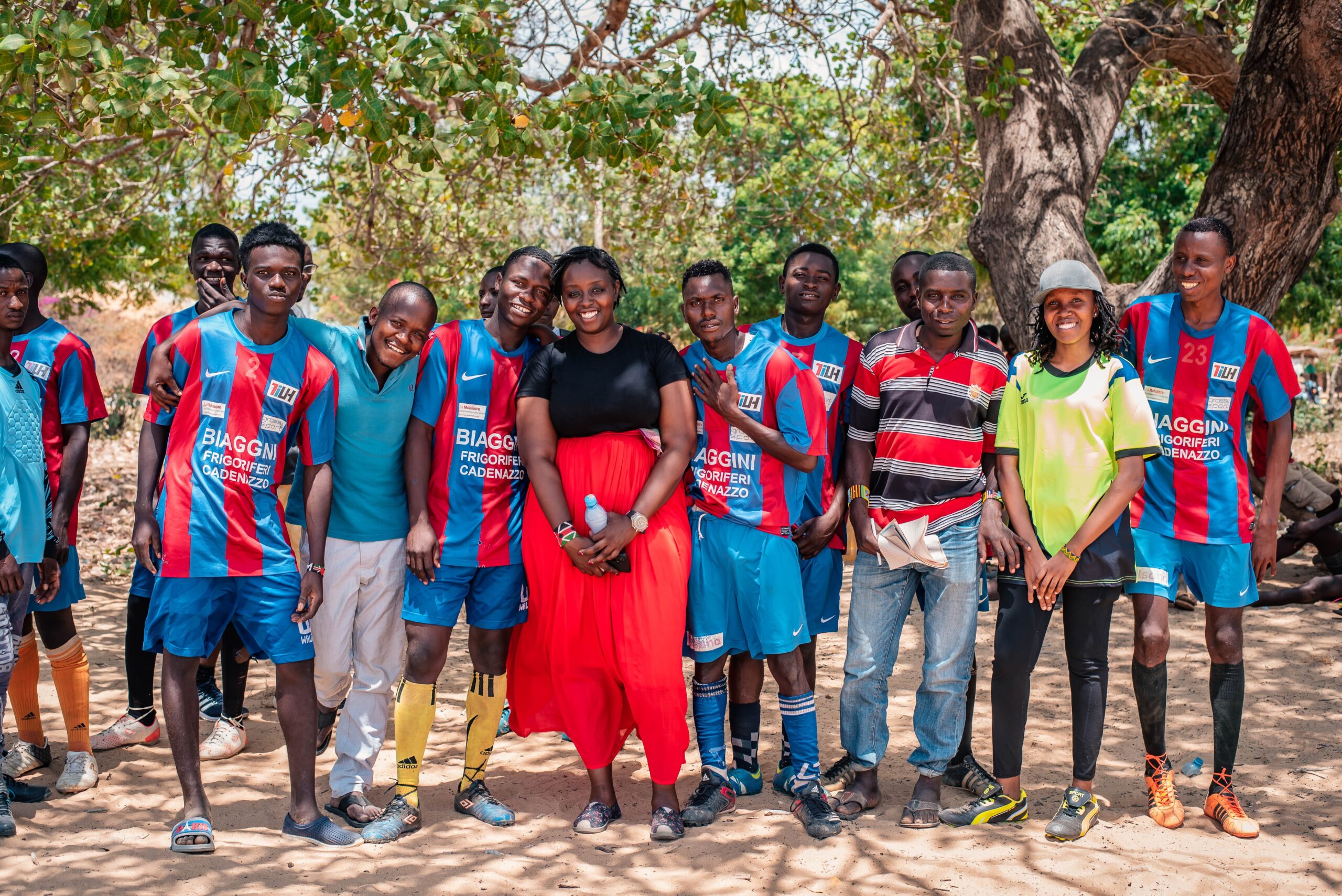
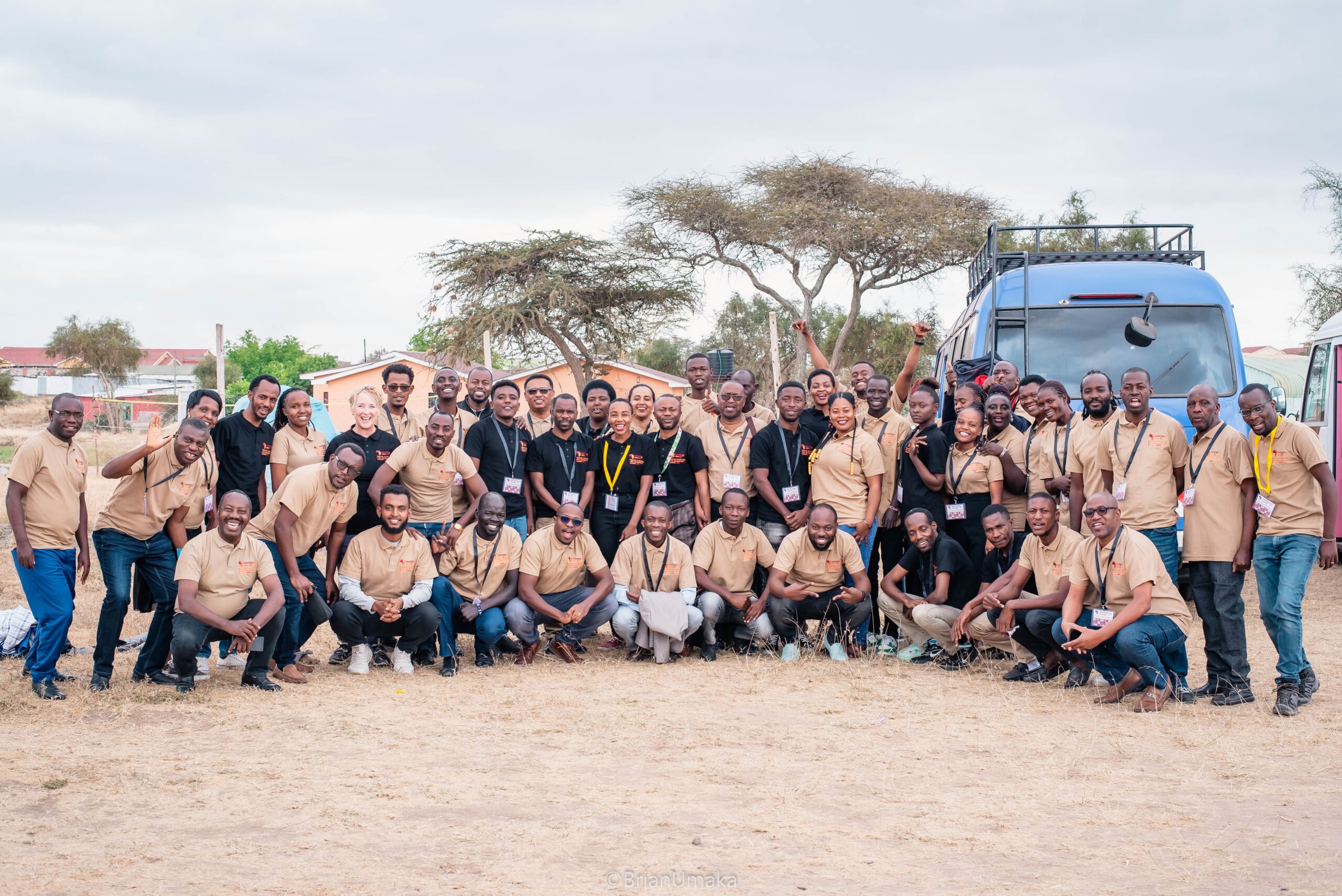
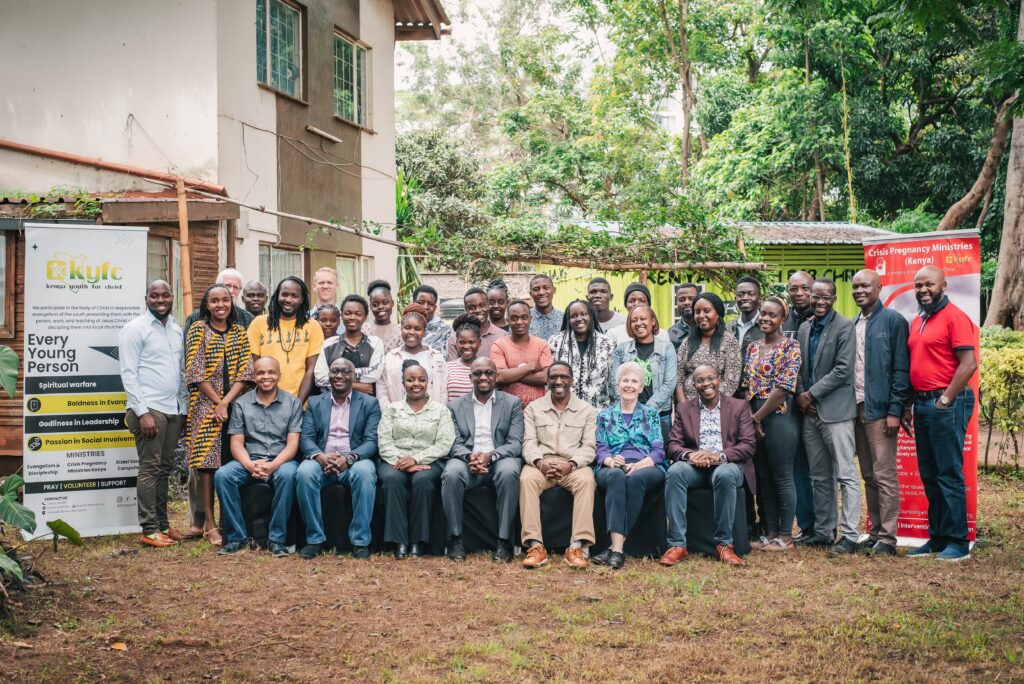
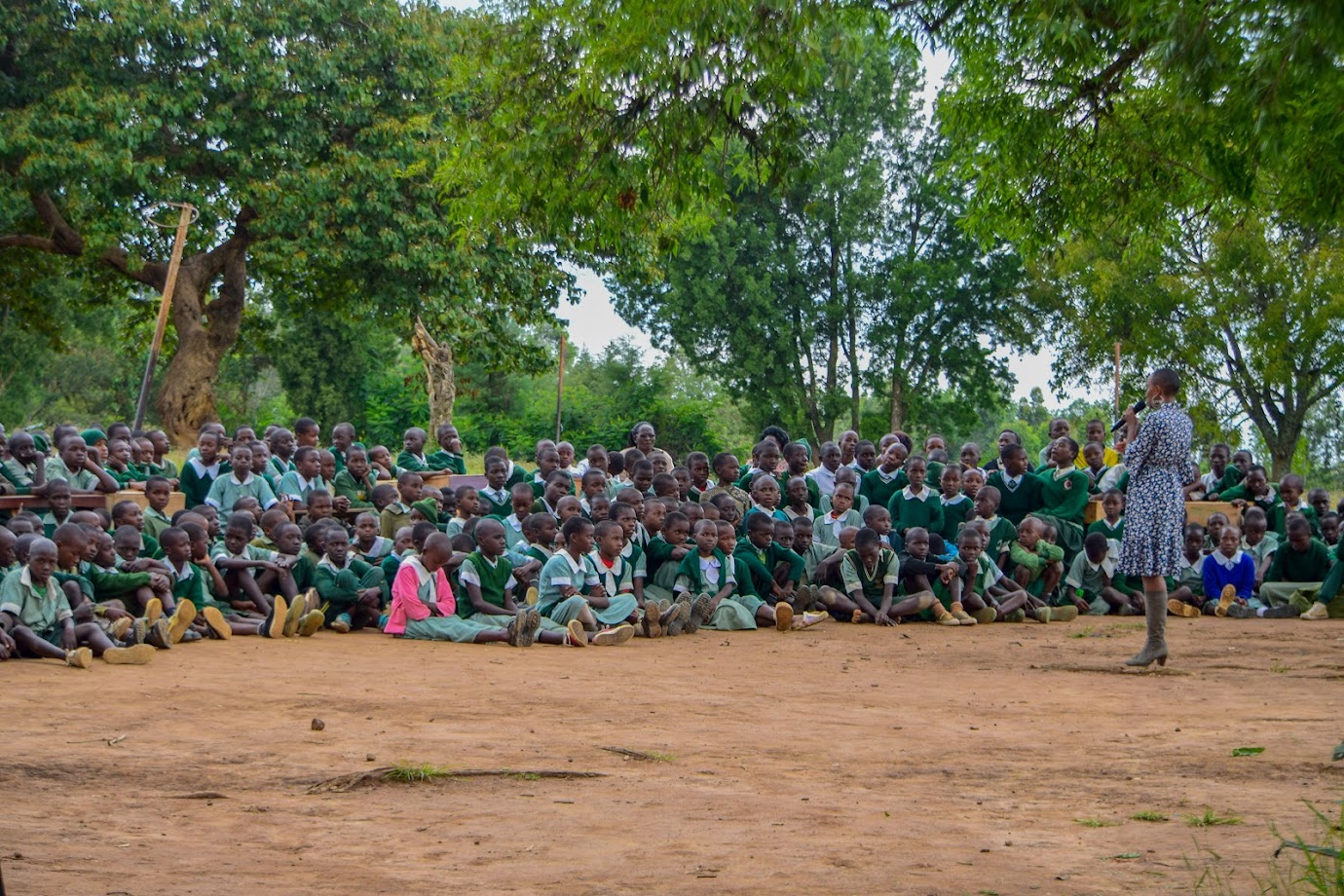
Youth for Christ in Kenya has a vision to evangelise and disciple young people to become Kenya’s future godly leaders. Their current ministries include weekly Berean Bible clubs in schools, music teams whose main focus is evangelism, and Taraja Home for former street boys which focuses on discipleship, education, and vocational training.
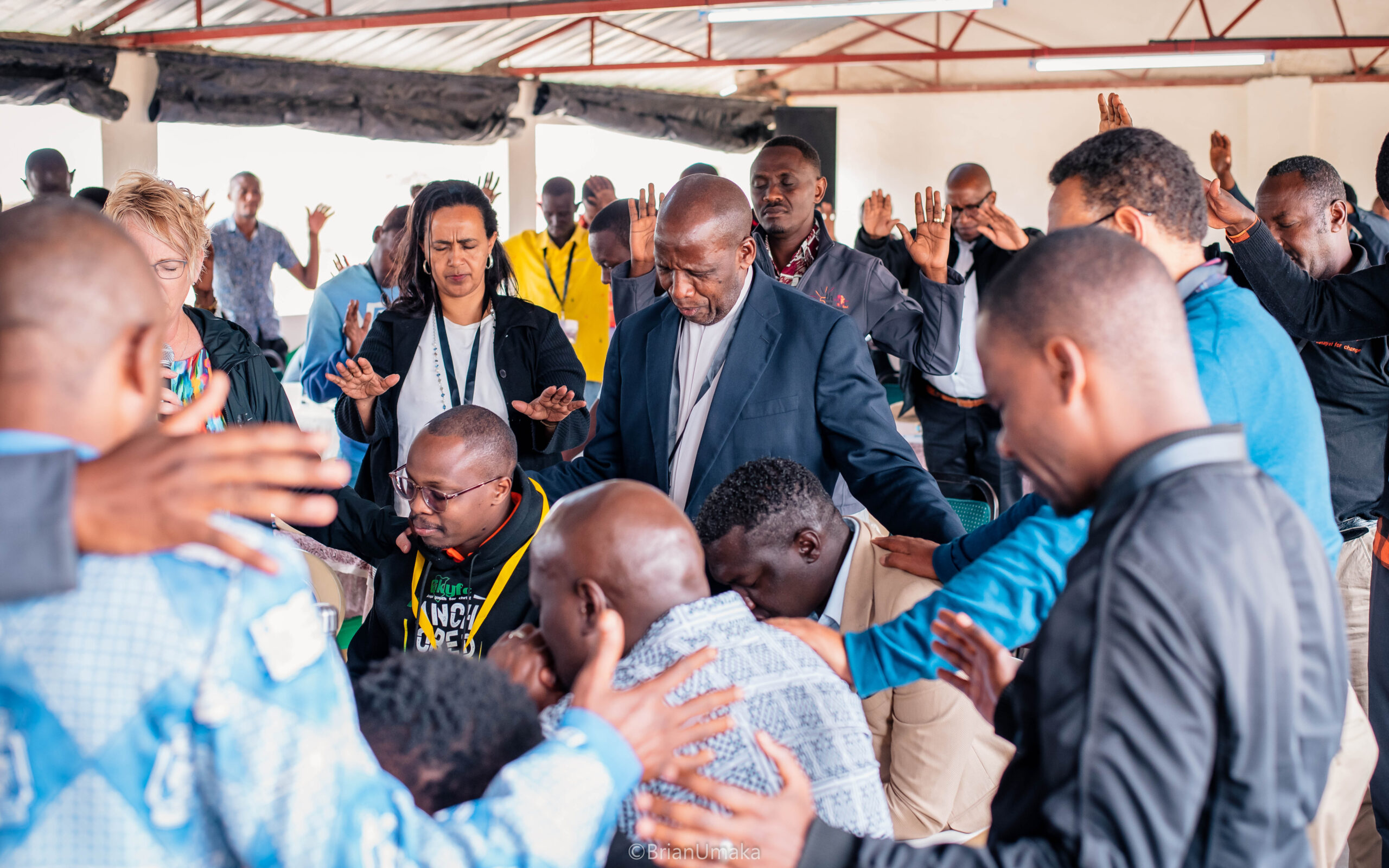
Prayer Needs
- Establishment of ministry in Nakuru and Kariobangi areas
- Financial support of the full-time staff
- God’s will to be the goal of Youth for Christ in Kenya
- Continued openness to Gospel ministries in the country
- Pray for the safety and prosperity for Taraja Boys Home.
About Kenya
Kenya
Introduction
Founding president and liberation struggle icon Jomo KENYATTA led Kenya from independence in 1963 until his death in 1978, when President Daniel Toroitich arap MOI took power in a constitutional succession. The country was a de facto one-party state from 1969 until 1982 when the ruling Kenya African National Union (KANU) made itself the sole legal party in Kenya. MOI acceded to internal and external pressure for political liberalization in late 1991. The ethnically fractured opposition failed to dislodge KANU from power in elections in 1992 and 1997, which were marred by violence and fraud, but were viewed as having generally reflected the will of the Kenyan people. President MOI stepped down in December 2002 following fair and peaceful elections. Mwai KIBAKI, running as the candidate of the multiethnic, united opposition group, the National Rainbow Coalition (NARC), defeated KANU candidate Uhuru KENYATTA and assumed the presidency following a campaign centered on an anticorruption platform. KIBAKI's NARC coalition splintered in 2005 over the constitutional review process. Government defectors joined with KANU to form a new opposition coalition, the Orange Democratic Movement, which defeated the government's draft constitution in a popular referendum in November 2005. KIBAKI's reelection in December 2007 brought charges of vote rigging from ODM candidate Raila ODINGA and unleashed two months of violence in which as many as 1,500 people died. UN-sponsored talks in late February produced a powersharing accord bringing ODINGA into the government in the restored position of prime minister.
Geography
Location
Location: Eastern Africa, bordering the Indian Ocean, between Somalia and Tanzania
Geographic Coordinates: 1 00 N, 38 00 E
Area
Total Area: 580,367 sq km Rank: 48
Land Area: 569,140 sq km
Water Area: 11,227 sq km
Comparison: slightly more than twice the size of Nevada
Land Boundaries: 3,477 km
Bordering Countries: Ethiopia 861 km, Somalia 682 km, Sudan 232 km, Tanzania 769 km, Uganda 933 km
Coastline: 536 km
Climate
varies from tropical along coast to arid in interior
Terrain
low plains rise to central highlands bisected by Great Rift Valley; fertile plateau in west
Elevations
Lowest Point: Indian Ocean 0 m
Highest Point: Mount Kenya 5,199 m
Natural Resources
limestone, soda ash, salt, gemstones, fluorspar, zinc, diatomite, gypsum, wildlife, hydropower
Land Use
Arable land: 8.01%
Permanent Crops: 0.97%
Other: 91.02% (2005)
Irrigated Land: 1,030 sq km (2003)
Renewable Water Resources: 30.2 cu km (1990)
Total Freshwater withdrawal (domestic/industrial/agricultural): 1.58 cu km/yr (30%/6%/64%)
Freshwater Withdrawal Per Capita: 46 cu m/yr (2000)
Environment
Natural Hazards: recurring drought; flooding during rainy seasons
Environmental Issues: water pollution from urban and industrial wastes; degradation of water quality from increased use of pesticides and fertilizers; water hyacinth infestation in Lake Victoria; deforestation; soil erosion; desertification; poaching
Environmental Agreements: Party to: Biodiversity, Climate Change, Climate Change-Kyoto Protocol, Desertification, Endangered Species, Hazardous Wastes, Law of the Sea, Marine Dumping, Marine Life Conservation, Ozone Layer Protection, Ship Pollution, Wetlands, Whaling
Geography Notes
the Kenyan Highlands comprise one of the most successful agricultural production regions in Africa; glaciers are found on Mount Kenya, Africa's second highest peak; unique physiography supports abundant and varied wildlife of scientific and economic value
People
Population: 39,002,772 Rank: 33
Note: estimates for this country explicitly take into account the effects of excess mortality due to AIDS; this can result in lower life expectancy, higher infant mortality, higher death rates, lower population growth rates, and changes in the distribution of population by age and sex than would otherwise be expected (July 2010 est.)
Age Structure
0-14 years: 42.3% (male 8,300,393/female 8,181,898)
15-64 years: 55.1% (male 10,784,119/female 10,702,999)
65 years and over: 2.6% (male 470,218/female 563,145) (2010 est.)
Median Age: 18.7 years
Population Growth
Growth Rate: 2.691% (2010 est.) Rank: 25
Birth Rate: 36.64 births/1,000 population (2010 est.) Rank: 29
Death Rate: 9.72 deaths/1,000 population (July 2010 est.) Rank: 67
Net Migration Rate: 0 migrant(s)/1,000 population (2010 est.) Rank: 82
Urbanization
Urban Population: 22% of total population (2008)
Rate of Urbanization: 4% annual rate of change (2005-10 est.)
Life and Death
Infant Mortality Rate: 54.7 deaths/1,000 live births Rank: 45
Life Expectancy at Birth: 57.86 years Rank: 189
Fertility Rate: 4.38 children born/woman (2010 est.) Rank: 37
Health and Disease
HIV/AIDS - Adult Prevalence Rate: 6.7% (2003 est.) Rank: 10
People living with HIV/AIDS: 1.2 million (2003 est.) Rank: 8
HIV/AIDS Deaths: 150,000 (2003 est.) Rank: 4
Degree of Risk for Major Infectious Diseases: high
Food or waterborne diseases: bacterial and protozoal diarrhea, hepatitis A, and typhoid fever
Vectorborne disease: malaria and Rift Valley fever
Water Contact Diseases: schistosomiasis
Animal Contact Diseases: rabies (2009)
Nationality and Culture
Noun: Kenyan(s)
Adjective: Kenyan
Ethnic Groups: Kikuyu 22%, Luhya 14%, Luo 13%, Kalenjin 12%, Kamba 11%, Kisii 6%, Meru 6%, other African 15%, non-African (Asian, European, and Arab) 1%
Religion: Protestant 45%, Roman Catholic 33%, Muslim 10%, indigenous beliefs 10%, other 2%
Note: a large majority of Kenyans are Christian, but estimates for the percentage of the population that adheres to Islam or indigenous beliefs vary widely
Languages: English (official), Kiswahili (official), numerous indigenous languages
Education
Literacy (Meaning, age 15 and over can read and write): 85.1% Male: 90.6% Female: 79.7% (2003 est.)
School life expectancy (primary to tertiary education): 10 years Male: 10 years Female: 9 years (2004)
Education expenditures: 6.9% of GDP (2006) Rank: 27
Government
Country Name
Conventional Long Form: Republic of Kenya
Conventional Short Form: Kenya
Local Long Form: Republic of Kenya/Jamhuri ya Kenya
Local Short Form: Kenya
Formerly: British East Africa
Government Type: republic
Capital: Nairobi Geographic Coordinates: 1 17 S, 36 49 E
Administrative divisions
7 provinces and 1 area*; Central, Coast, Eastern, Nairobi Area*, North Eastern, Nyanza, Rift Valley, Western
Independence: 12 December 1963 (from the UK)
National holiday: Independence Day, 12 December (1963)
Constitution: 27 August 2010; the new constitution abolishes the position of prime minister and establishes a bicameral legislature; many details have yet to be finalized and will require significant legislative action
Legal system: based on Kenyan statutory law, Kenyan and English common law, tribal law, and Islamic law; judicial review in High Court; accepts compulsory ICJ jurisdiction with reservations; constitutional amendment of 1982 making Kenya a de jure one-party state repealed in 1991
Suffrage: 18 years of age; universal
Executive Branch
Chief of State: President Mwai KIBAKI (since 30 December 2002); Vice President Stephen Kalonzo MUSYOKA (since 10 January 2008);
Head of Government: President Mwai KIBAKI (since 30 December 2002); Vice President Stephen Kalonzo MUSYOKA (since 10 January 2008); note - the roles of the president and prime minister are not well defined at this juncture; constitutionally, the president remains chief of state and head of government, but the prime minister is charged with coordinating government business
Cabinet: Cabinet appointed by the president and headed by the prime minister, who is the leader of the largest party in parliament
Elections: president elected by popular vote for a five-year term (eligible for a second term); in addition to receiving the largest number of votes in absolute terms, the presidential candidate must also win 25% or more of the vote in at least five of Kenya's seven provinces and one area to avoid a runoff; election last held on 27 December 2007 (next to be held in December 2012); vice president appointed by the president
Election Results: President Mwai KIBAKI reelected; percent of vote - Mwai KIBAKI 46%, Raila ODINGA 44%, Kalonzo MUSYOKA 9%
Legislative Branch
unicameral National Assembly or Bunge usually referred to as Parliament (224 seats; 210 members elected by popular vote to serve five-year terms, 12 nominated members appointed by the president but selected by the parties in proportion to their parliamentary vote totals, 2 ex-officio members)
Elections: last held on 27 December 2007 (next to be held in December 2012)
Election Results: percent of vote by party - NA; seats by party - ODM 99, PNU 46, ODM-K 16, KANU 14 other 35; ex-officio 2; seats appointed by the president - ODM 6, PNU 3, ODM-K 2, KANU 1
Judicial branch
Court of Appeal (chief justice is appointed by the president); High Court
Politics
Political Parties and Leaders: Forum for the Restoration of Democracy-Kenya or FORD-Kenya [Musikari KOMBO]; Forum for the Restoration of Democracy-People or FORD-People [Reuben OYONDI]; Kenya African National Union or KANU [Uhuru KENYATTA]; National Rainbow Coalition-Kenya or NARC-Kenya [Martha KARUA]; Orange Democratic Movement or ODM [Raila ODINGA]; Orange Democratic Movement-Kenya or ODM-K [Kalonzo MUSYOKA]; Party of National Unity or PNU [Mwai KIBAKI]; Shirikisho Party of Kenya or SPK [Chirau Ali MWAKWERE]
Political pressure groups and leaders: Council of Islamic Preachers of Kenya or CIPK [Sheikh Idris MOHAMMED]; Kenya Human Rights Commission [L. Muthoni WANYEKI]; Muslim Human Rights Forum [Ali-Amin KIMATHI]; National Convention Executive Council or NCEC, a proreform coalition of political parties and nongovernment organizations [Ndung'u WAINANA]; National Muslim Leaders Forum or NAMLEF [Abdullahi ABDI]; Protestant National Council of Churches of Kenya or NCCK [Canon Peter Karanja MWANGI]; Roman Catholic and other Christian churches; Supreme Council of Kenya Muslims or SUPKEM [Shaykh Abdul Gafur al-BUSAIDY]
Other: labor unions
International Organization Participation: ACP, AfDB, AU, C, COMESA, EAC, EADB, FAO, G-15, G-77, IAEA, IBRD, ICAO, ICCt, ICRM, IDA, IFAD, IFC, IFRCS, IGAD, ILO, IMF, IMO, IMSO, Interpol, IOC, IOM, IPU, ISO, ITSO, ITU, ITUC, MIGA, MINURCAT, MONUC, NAM, OPCW, PCA, UN, UNAMID, UNCTAD, UNESCO, UNHCR, UNIDO, UNMIS, UNOCI, UNWTO, UPU, WCO, WFTU, WHO, WIPO, WMO, WTO
Flag Description: three equal horizontal bands of black (top), red, and green; the red band is edged in white; a large Maasai warrior's shield covering crossed spears is superimposed at the center; black symbolizes the majority population, red the blood shed in the struggle for freedom, green stands for natural wealth, and white for peace; the shield and crossed spears symbolize the defense of freedom
Economy
Economy Overview: Although the regional hub for trade and finance in East Africa, Kenya has been hampered by corruption and by reliance upon several primary goods whose prices have remained low. In 1997, the IMF suspended Kenya's Enhanced Structural Adjustment Program due to the government's failure to maintain reforms and curb corruption. The IMF, which had resumed loans in 2000 to help Kenya through a drought, again halted lending in 2001 when the government failed to institute several anticorruption measures. In the key December 2002 elections, Daniel Arap MOI's 24-year-old reign ended, and a new opposition government took on the formidable economic problems facing the nation. After some early progress in rooting out corruption and encouraging donor support, the KIBAKI government was rocked by high-level graft scandals in 2005 and 2006. In 2006, the World Bank and IMF delayed loans pending action by the government on corruption. The international financial institutions and donors have since resumed lending, despite little action on the government's part to deal with corruption. Post-election violence in early 2008, coupled with the effects of the global financial crisis on remittance and exports, reduced estimated GDP growth to 2% or lower in 2008 and 2009.
Gross Domestic Product
GDP (purchasing power parity): $62.56 billion (2009 est.) Rank: 83
GDP - real growth rate: 2.6% (2009 est.) Rank: 72
GDP - per capita (PPP): $1,600 (2009 est.) Rank: 193
GDP - Composition by Sector: Agriculture: 19.7% Industry: 17.2% Services: 62.1% (2009 est.)
Labor Force
Labor Force: 17.47 million (2009 est.) Rank: 34
Labor force - by occupation: Agriculture: 75% Industry and Services: 25% (2007 est.)
Unemployment Rate: 40% (2008 est.) Rank: 187
Poverty
Population below poverty line: 50% (2000 est.)
Transnational Issues
International Disputes: Kenya served as an important mediator in brokering Sudan's north-south separation in February 2005; Kenya provides shelter to almost a quarter of a million refugees, including Ugandans who flee across the border periodically to seek protection from Lord's Resistance Army (LRA) rebels; Kenya works hard to prevent the clan and militia fighting in Somalia from spreading across the border, which has long been open to nomadic pastoralists; the boundary that separates Kenya's and Sudan's sovereignty is unclear in the "Ilemi Triangle," which Kenya has administered since colonial times
Refugees and internally displaced persons - refugees (country of origin): 173,702 (Somalia); 73,004 (Sudan); 16,428 (Ethiopia)
International Displaced Persons: 250,000-400,000 (2007 post-election violence; KANU attacks on opposition tribal groups in 1990s) (2007)